Henrik Bauer · 23 September 2026
Supply Chain Challenges Faced by Organizers of High-Profile Summer Festivals
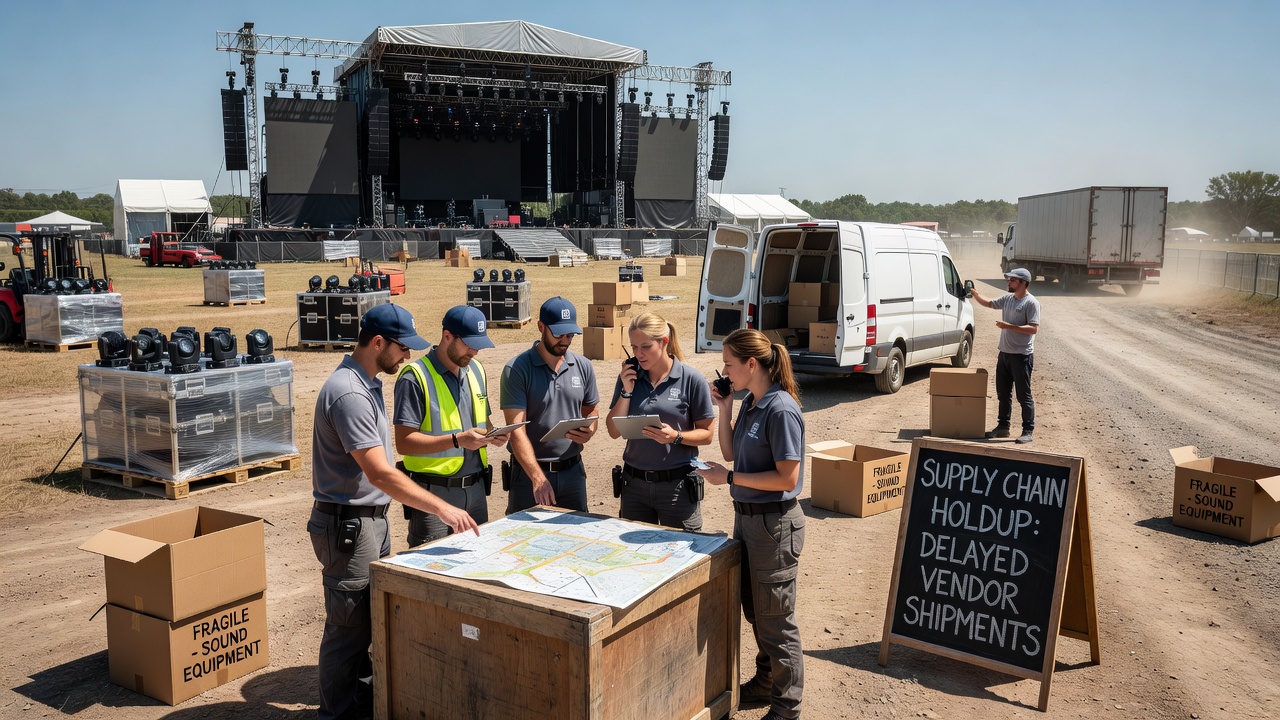
High-profile summer festivals rely on intricate supply chains that span multiple continents, and those networks face persistent disruptions from transportation bottlenecks, material shortages, and regulatory shifts. Organizers coordinate everything from stage scaffolding and sound equipment to perishable food supplies and waste management systems, yet each component depends on precise timing that external factors frequently interrupt.
Transportation and Logistics Pressures
Freight delays at major ports and trucking shortages create immediate ripple effects for festival setups that often begin weeks in advance. Data from the Federal Highway Administration shows freight volumes on key interstate corridors increased steadily through 2025, yet driver availability remained constrained in several regions. Organizers therefore adjust schedules by booking earlier shipments or splitting deliveries across multiple carriers, though this approach raises costs without eliminating risk. When rail strikes or port congestion hit during peak planning periods, crews must reroute materials through secondary hubs, and those detours extend lead times by days or weeks.
Sourcing Equipment and Materials
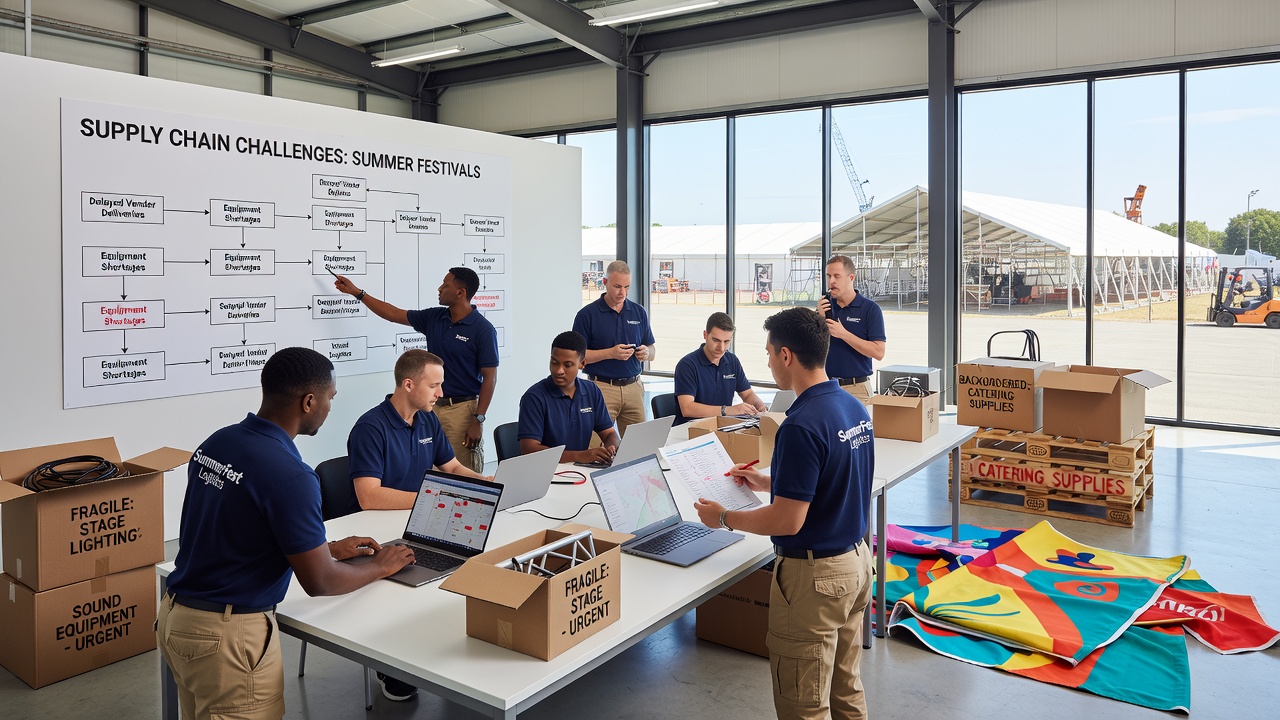
Specialized festival infrastructure such as modular staging, LED lighting arrays, and temporary power generators frequently originates from overseas manufacturers, and global semiconductor shortages continue to affect electronics components used in sound and visual systems. Researchers tracking the events industry note that lead times for certain rigging hardware stretched beyond six months in 2025, forcing advance procurement that locks capital into inventory long before gates open. Alternative suppliers in different regions help diversify risk, yet quality consistency and compatibility checks add further layers of coordination. One festival production team documented switching three separate vendors for the same truss system after original shipments were delayed by factory closures abroad.
Food, Beverage, and Vendor Coordination
Perishable goods present distinct timing challenges because fresh produce, meat, and dairy must arrive within narrow temperature-controlled windows while vendors simultaneously prepare menus. Industry reports from the European Food Safety Authority highlight how seasonal labor shortages in agriculture and processing plants compound delivery variability during summer months. Festival organizers therefore maintain backup contracts with regional farms and cold-storage facilities, and they implement real-time tracking apps that alert teams when routes encounter weather-related slowdowns. Beverage distributors face parallel constraints when aluminum can shortages recur, prompting some events to shift toward keg systems or alternative packaging sourced from multiple countries.
Regulatory and Environmental Factors
Customs procedures for imported equipment and temporary structures add another variable layer, especially when new tariffs or inspection protocols take effect mid-season. Australian government logistics summaries indicate that biosecurity screenings for certain timber and textile imports lengthened clearance times at several entry points in 2025, and similar patterns appear at North American borders. Environmental regulations on single-use plastics and fuel emissions further influence supplier selection, requiring organizers to verify compliance documentation across entire supplier networks before contracts are finalized. Those who have managed multiple events note that maintaining updated compliance records for every vendor reduces last-minute substitutions that could otherwise halt setup.
Technology Integration and Risk Mitigation
Digital platforms for inventory tracking and predictive analytics help surface potential shortfalls earlier in the planning cycle, yet adoption varies widely among smaller suppliers who lack compatible systems. Studies published by university supply-chain research centers demonstrate that festivals using integrated dashboards experienced fewer stockouts during peak attendance periods compared with those relying on manual spreadsheets. Still, connectivity gaps at remote outdoor sites limit real-time updates, so teams often combine cloud tools with on-site radio communication to maintain oversight. September 2026 planning cycles already incorporate lessons from the previous two seasons, with many organizers expanding buffer stock agreements and diversified carrier contracts to cover contingencies.
Conclusion
Supply chain resilience for high-profile summer festivals depends on layered contingency planning, diversified sourcing, and continuous monitoring of transportation and regulatory developments. Data indicates that events maintaining multiple supplier relationships and adopting tracking technologies encounter fewer interruptions, although rising costs remain a consistent pressure across the sector. Observers note that future seasons will likely see further integration of regional suppliers and technology platforms as organizers seek to stabilize operations amid ongoing global logistics variability.