Dana Schmitt · 7 October 2026
How Local Artisans Shape Vendor Ecosystems at Peak-Season Outdoor Events
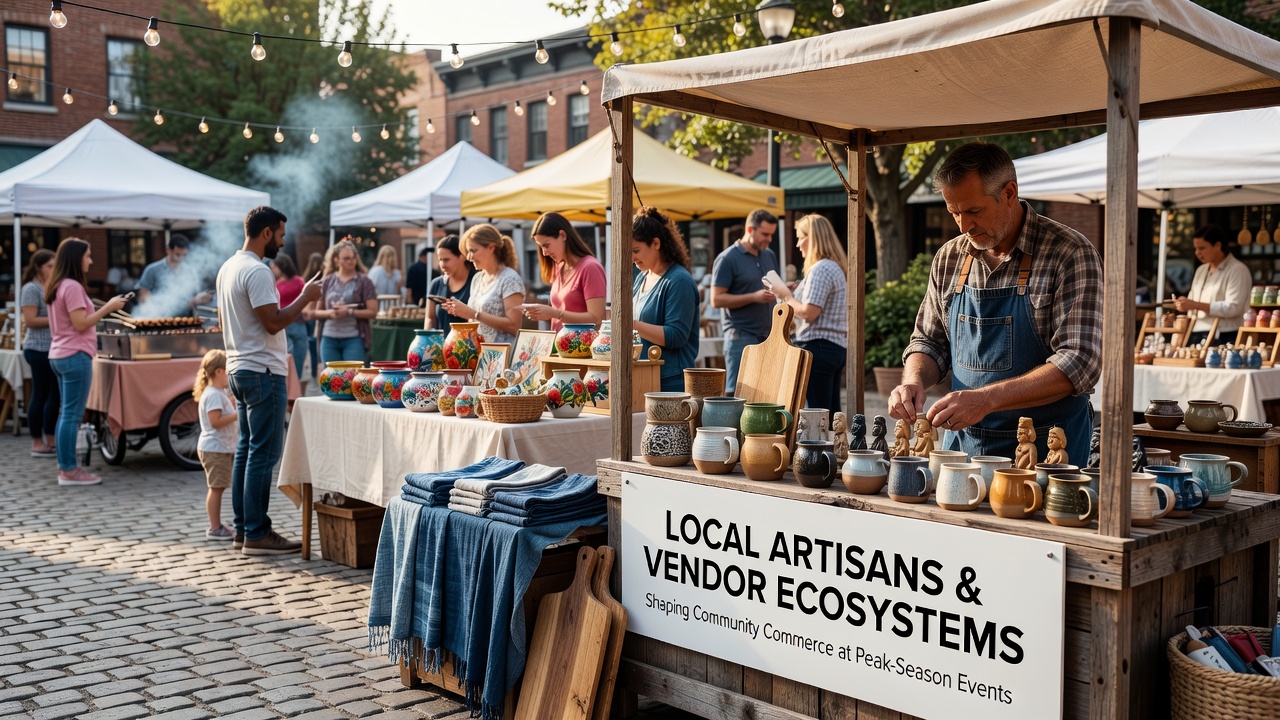
Local artisans contribute distinctive products and specialized skills to vendor ecosystems at peak-season outdoor events, where summer festivals and harvest gatherings draw large crowds each year. These creators often operate small-scale workshops that supply handmade goods ranging from ceramics and textiles to wooden implements and preserved foods, and their presence influences how other vendors select inventory, set pricing strategies, and coordinate logistics during high-traffic periods. Data from regional tourism reports indicate that artisan participation correlates with increased visitor dwell time at market stalls, while figures from industry analyses show that events incorporating local makers experience measurable differences in vendor retention rates compared with those relying solely on commercial suppliers.
Economic Integration and Supply Patterns
Artisans frequently source raw materials within short distances of event sites, which reduces transportation demands and allows vendors who partner with them to maintain tighter inventory cycles during peak months. In many regions, craft producers maintain relationships with nearby farms and mills that supply wool, clay, or timber, and these connections create layered supplier networks that support multiple stalls at a single festival. Observers note that such arrangements help stabilize pricing because artisans adjust output volumes based on seasonal availability rather than relying on distant distributors subject to fuel cost fluctuations. Research indicates that events held between June and September often see artisan-led stalls account for a notable share of total vendor revenue, while preparations for gatherings extending into October 2026 already involve contracts that lock in material deliveries months ahead.
Product Differentiation and Visitor Flow
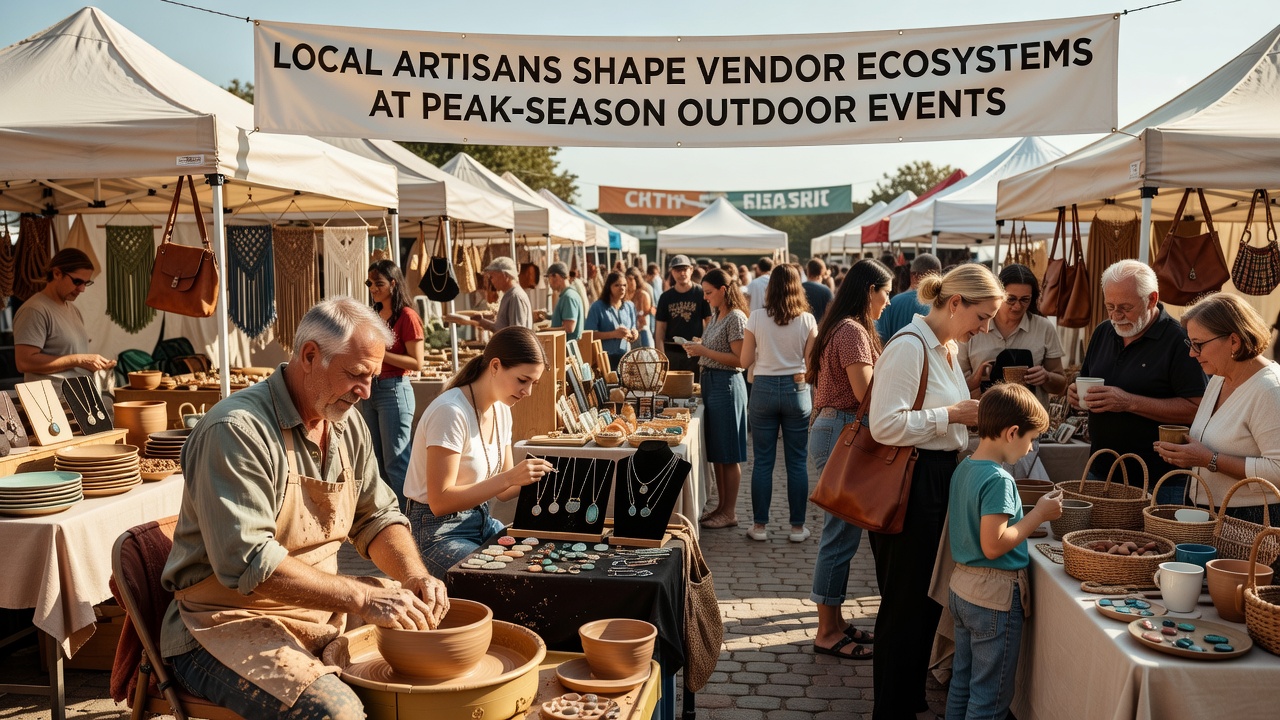
Handcrafted items introduce variety that complements mass-produced goods offered by larger vendors, and this mix shapes how organizers allocate booth space and schedule demonstrations. Visitors often move between stalls in patterns that reflect interest in both functional crafts and decorative pieces, which in turn affects how food vendors and service providers position themselves nearby. Studies from tourism boards reveal that markets featuring artisan demonstrations record higher per-visitor spending across the entire ecosystem, because the visual appeal of live making draws attention to adjacent offerings. Organizers who track attendance metrics report that unique product lines help sustain interest even on days when weather reduces overall turnout, and those patterns become especially relevant as planning cycles for late-season events in 2026 incorporate more weather contingency measures.
Network Formation Among Vendors
Artisans commonly participate in informal knowledge-sharing groups that exchange information about permit requirements, waste management protocols, and customer traffic forecasts, and these exchanges strengthen coordination across the broader vendor community. In several documented cases, makers who produce complementary goods such as leather accessories and metal hardware have formed small cooperatives that share equipment and storage facilities at multi-day events. Such arrangements reduce individual overhead costs while allowing each participant to maintain independent branding. Data compiled by cultural heritage organizations show that vendor networks built around artisan clusters exhibit lower turnover rates from one season to the next, and similar patterns appear in regions where local tourism agencies publish annual event calendars that highlight maker participation.
Adaptations for Peak-Season Demands
During high-attendance periods, artisans adjust production schedules to meet increased demand without expanding permanent facilities, often by renting temporary workshop space near festival grounds or collaborating with nearby community centers. This flexibility supports vendors who sell perishable or fragile goods because they can replenish stock quickly rather than transporting large quantities at once. Reports from event management associations note that artisans who integrate digital ordering systems for custom pieces experience steadier sales throughout the day, since visitors can place orders even when physical inventory runs low. Preparations underway for October 2026 events already include expanded training sessions on portable power solutions and modular display units that help makers maintain consistent output under variable conditions.
Regulatory and Logistical Considerations
Local regulations governing temporary structures, food safety, and waste disposal apply equally to artisans and other vendors, yet craft producers sometimes face additional requirements related to material sourcing documentation. Government agencies in multiple jurisdictions publish guidelines that clarify permitting pathways for handmade goods, and these documents help streamline applications when events span several days. Industry groups such as the National Endowment for the Arts track participation trends and publish summaries that organizers consult when designing vendor layouts. In parallel, statistical agencies like Statistics Canada release periodic updates on tourism-related small business activity that include data on craft vendor contributions at seasonal markets.
Conclusion
Local artisans influence vendor ecosystems at peak-season outdoor events through material networks, product variety, and collaborative arrangements that affect logistics, revenue distribution, and visitor movement. Their role continues to evolve as organizers incorporate data from past seasons into planning for future gatherings, including those scheduled through October 2026. These dynamics remain visible across different regions where craft participation intersects with broader tourism and small business activity.